COMPANY NEWS
Should I Choose Install Hydronic Underfloor Heating Systems For My Home?
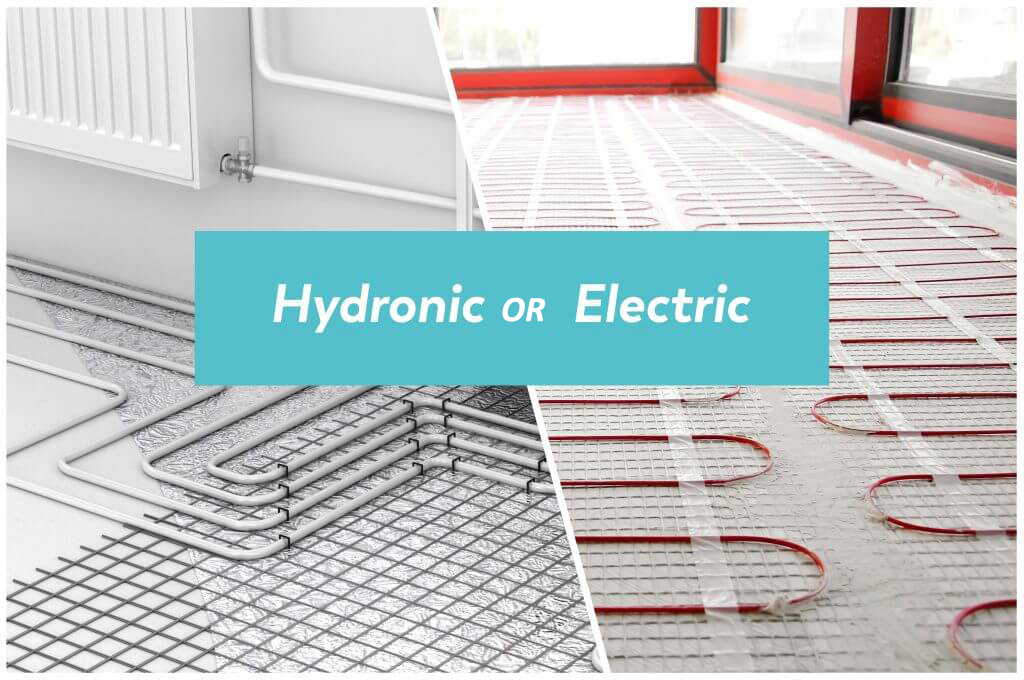
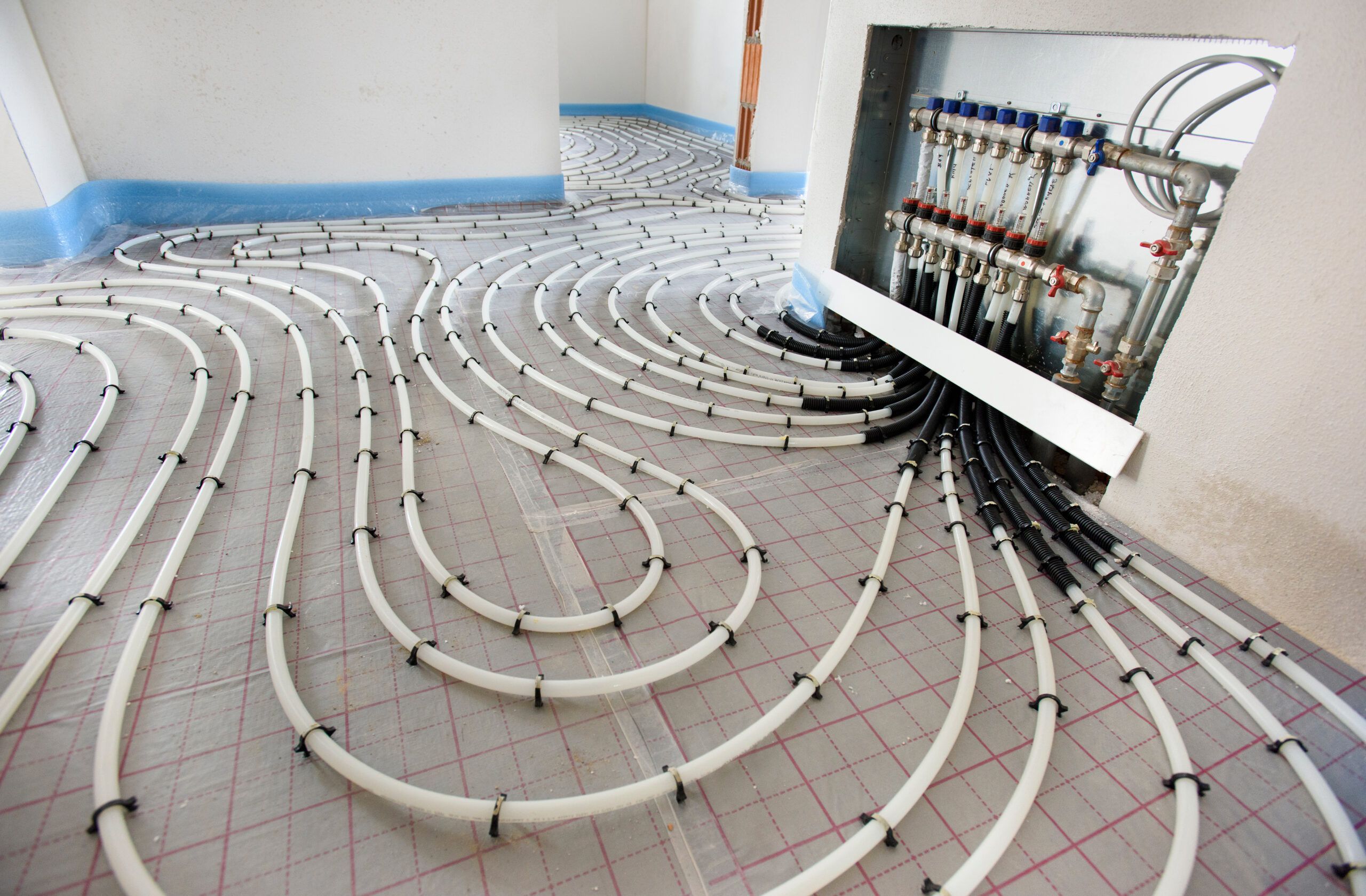
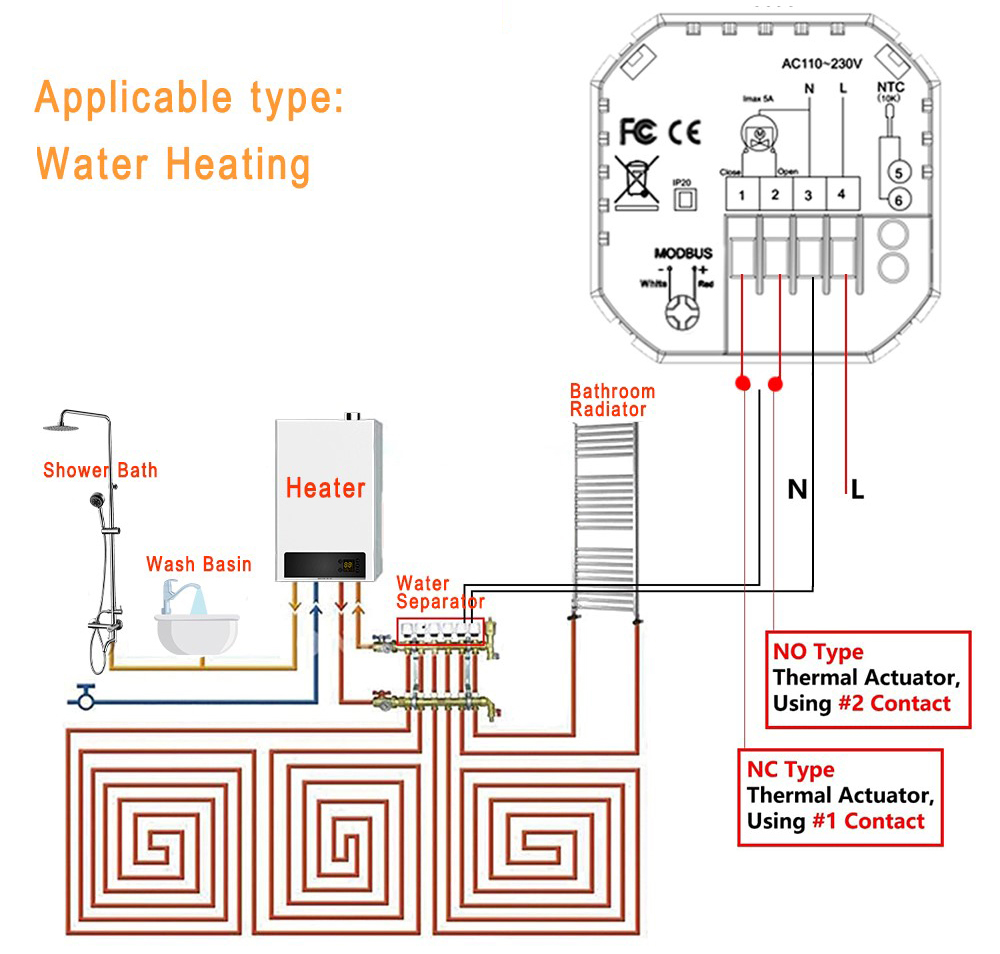
Hydronic underfloor heating systems, also known as water-based systems, use hot water that is circulated through a series of pipes installed beneath the floor. The water is heated by a boiler, which can be powered by gas, oil, or renewable energy sources such as solar or geothermal.
Pros:
* Lower running costs: Hydronic systems can be more cost-effective to run than electric systems, as the cost of gas is generally lower than electricity.
* Greater capacity: Hydronic systems have a greater capacity than electric systems, making them suitable for larger spaces.
* Compatible with all floor coverings: Hydronic systems are compatible with all types of floor coverings.
* Energy-efficient: Hydronic systems can be very energy-efficient, particularly when powered by renewable energy sources.
Cons:
* More complex installation: Hydronic systems require pipework and a boiler installation, which can make them more complex to install and may require more space.
* Longer response time: Hydronic systems heat up more slowly than electric systems, so the room may take longer to heat up.
* Less flexible zoning: It is more difficult to independently control the heating of individual rooms or areas with a hydronic system.
Conclusion
Choosing the right underfloor heating system will depend on a range of factors, such as the size of the space, the type of flooring, and the budget. Electric systems are easier to install and provide quick heating but can be more expensive to run. Hydronic systems are more complex to install but can be more cost-effective in the long run, particularly when powered by renewable energy sources. In any case, underfloor heating is a great way to provide comfortable and energy-efficient heating to your home or business.