Digital Thermostats
Which Thermostatic Radiator Valve Is Right for Your Home?
When it comes to optimizing energy usage at home, few investments are as effective as installing Thermostatic Radiator Valves (TRVs). These devices not only help regulate your heating system but also ensure your home stays comfortable year-round without wasting energy. With the increasing demand for energy-saving solutions, upgrading your heating system with TRVs is becoming a smart and cost-effective choice.
In this article, we’ll dive into the different types of radiator valves, how they work, and how choosing the right valve can significantly impact your home’s energy efficiency. Whether you’re a homeowner looking to reduce energy bills or someone upgrading to smart heating, this guide will provide all the details you need to make an informed decision.
1. Types of Radiator Valves: Manual vs. Thermostatic
Radiator valves come in two main types: manual valves and thermostatic radiator valves (TRVs). Both serve the same basic function — controlling the heat output of your radiator — but their operation and features vary significantly.
Thermostatic Radiator Valves (TRVs)
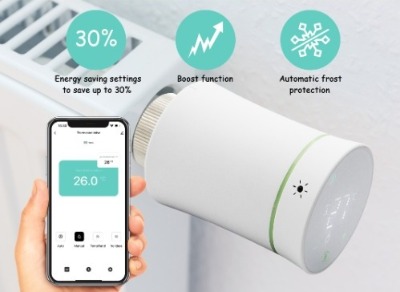
Thermostatic Radiator Valves (TRVs) are designed to automatically control the temperature of a room by adjusting the flow of hot water to the radiator. They feature a built-in sensor that reacts to changes in room temperature. When the room reaches the desired temperature, the TRV reduces the flow of hot water into the radiator, helping to maintain a consistent climate in the room.
The primary benefits of TRVs are:
1. Temperature control: Set your desired temperature, and the TRV adjusts accordingly, keeping the room consistently comfortable.
2. Energy efficiency: By adjusting the heat flow automatically, TRVs prevent overheating, saving energy and reducing heating costs. According to the Energy Saving Trust, installing TRVs could save you up to £75 annually on your heating bills.
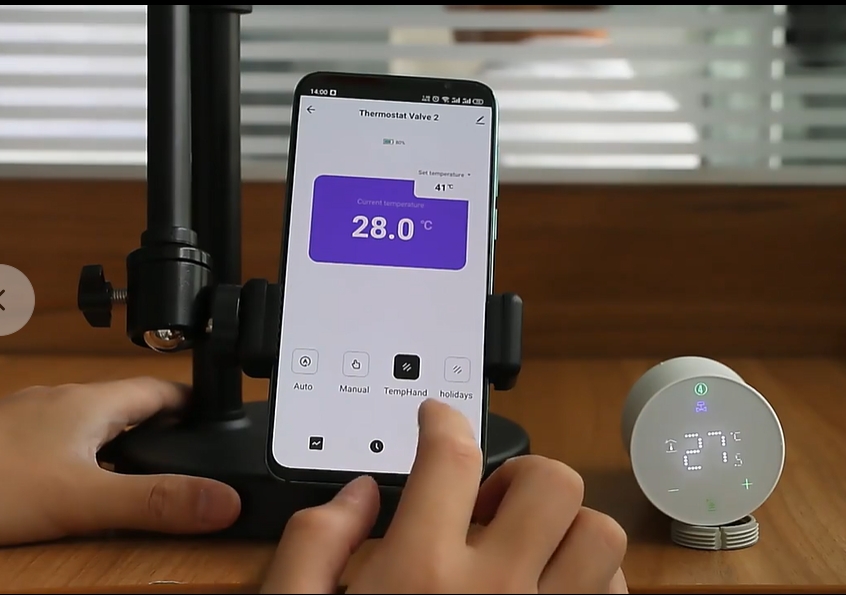
3. Convenience: Many TRVs now come with app-controlled features, allowing you to manage heating remotely. You can set schedules, adjust the temperature for individual rooms, and monitor usage from your smartphone.
Manual Radiator Valves
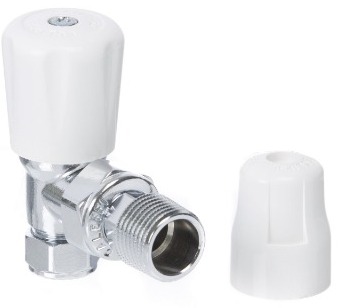
On the other hand, manual radiator valves are simpler, offering basic control. They work by allowing you to open or close the valve to adjust the flow of hot water into the radiator, either fully on or off. Unlike TRVs, manual valves require you to adjust the setting manually, which can be less efficient as they don’t automatically respond to temperature changes.
The benefits of manual radiator valves include:
1. Simplicity: Manual valves are straightforward and inexpensive, providing basic control over your heating.
2. Low upfront cost: They are typically less expensive to install than TRVs, making them a budget-friendly option for basic heating needs.
However, manual valves lack the automatic energy-saving features of TRVs, which can lead to higher energy consumption and less precise temperature control.
2. How Do Thermostatic Radiator Valves (TRVs) Work?
Regardless of the type of valve you have, the principle behind radiator valve operation is the same: regulating the flow of hot water to your radiator.
Manual Valves:
With manual valves, the heat output is controlled by physically turning the valve to allow more or less water to flow into the radiator. While this method provides basic temperature regulation, it requires frequent adjustments, especially if the room temperature fluctuates.
Thermostatic Radiator Valves (TRVs):
TRVs, however, are equipped with a temperature-sensitive sensor (typically made of wax or liquid) that reacts to the ambient temperature in the room. When the room cools down, the sensor contracts, causing the valve to open and allow more hot water to flow through the radiator. When the room reaches the desired temperature, the sensor expands, closing the valve to reduce the flow of hot water.
This self-regulation process means that TRVs work automatically, adjusting the heat output to maintain a stable, comfortable temperature in each room. They prevent overheating, which can lead to unnecessary energy consumption and higher heating costs.
Energy Efficiency:
One of the key advantages of TRVs is their ability to reduce energy wastage. They ensure that rooms are only heated when necessary and to the right temperature, avoiding unnecessary heating when the room is already warm enough. This helps to prevent overheating, which can lead to higher energy bills and discomfort.
3. Radiator Valve Shapes: Angled vs. Straight Valves
In addition to functional differences, radiator valves also come in different shapes. Understanding the difference between angled and straight valves can help ensure proper installation and compatibility with your existing system.
Angled Valves
Angled radiator valves are the most common type in the UK. They feature a 90-degree bend, allowing the valve to connect the radiator to the pipework at an angle. This design is ideal for installations where the radiator pipes are positioned at an angle to the radiator, which is often the case in most modern homes.
Straight Valves
Straight valves, while less common in the UK, are used when the radiator pipework runs directly along the wall, without requiring a bend. Straight valves are generally easier to install in certain systems but may not be as versatile as angled valves.
Installation Tips:
1. Vertical vs. Horizontal Fittings: Depending on the design of your radiator, TRVs can be fitted in a vertical or horizontal orientation. It's important to choose the right type to ensure optimal performance.
2. UK vs. EU Differences: In the UK, TRVs are typically installed at the bottom of the radiator, while in some EU countries, they are fitted at the top of the radiator. Be mindful of these regional differences when purchasing TRVs for international installations.
4. Smart TRVs: The Future of Heating Control
While traditional TRVs offer great benefits, the advent of smart thermostatic radiator valves has taken temperature control to the next level. These smart devices combine the automatic temperature regulation of TRVs with the convenience of remote control, allowing homeowners to manage their heating system from anywhere.
Benefits of Smart TRVs:
1. Remote control: With app-controlled smart TRVs, you can adjust the temperature of individual rooms from your smartphone, even when you’re not at home.
2. Scheduling: Set heating schedules for each room, ensuring that heating is only active when needed. For example, you can program the heating to turn off when you're not at home and start warming the house before you return.
3. Integration with Smart Home Systems: Many smart TRVs can integrate with other smart home systems, such as Amazon Alexa or Google Assistant, for hands-free voice control.
Cost Savings:
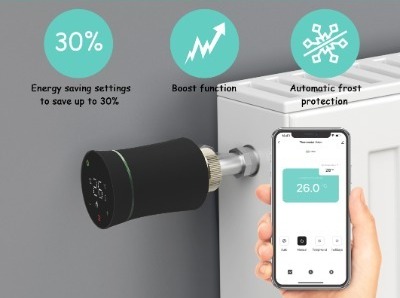
Smart TRVs can help reduce energy costs even further. Smart TRVs provide substantial energy savings and greater comfort by allowing precise control over each room’s temperature and scheduling heating based on occupancy. In fact, a study by Green Energy UK found that smart home heating controls can cut energy usage by up to 30%.
5. Installing TRVs: Easy Upgrade for Most Homes
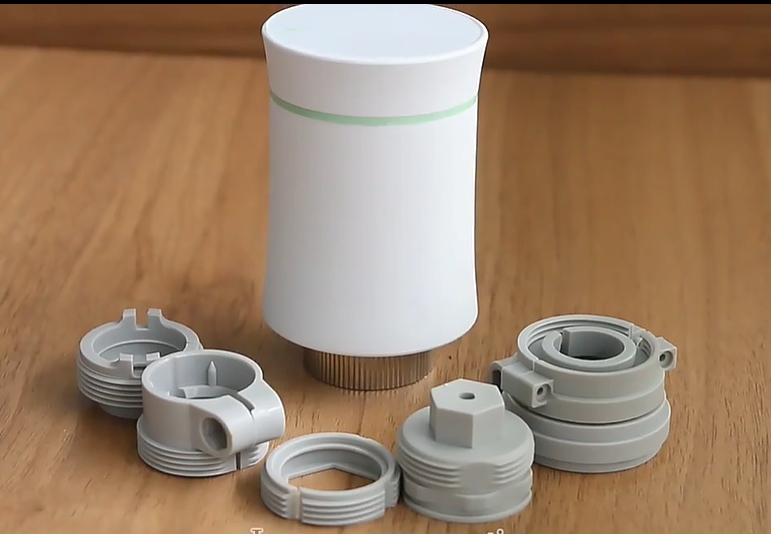
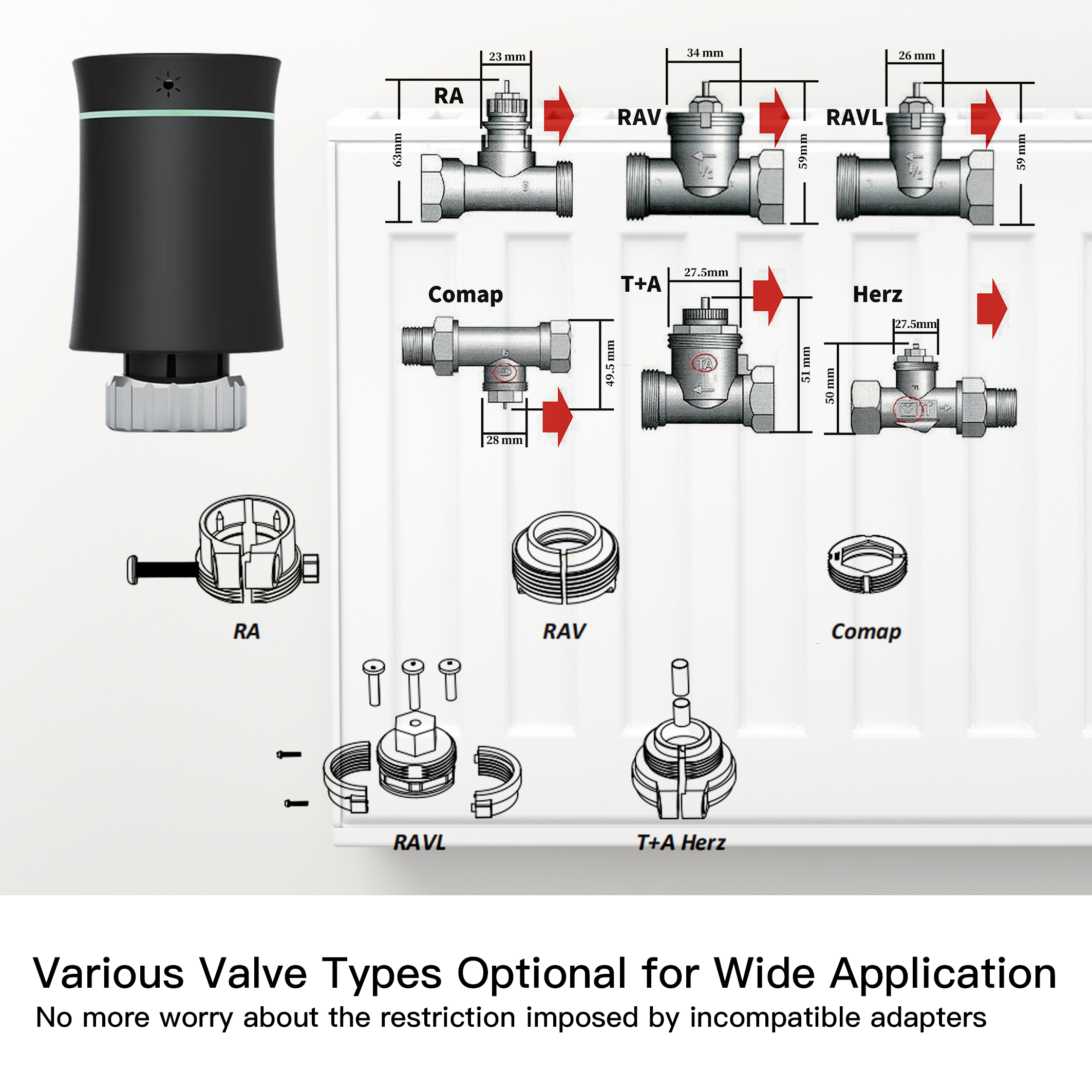
Installing TRVs is relatively simple, especially with the included adapters that make these devices compatible with most existing radiator systems. TRVs can work with around 95% of existing heating systems, making them a viable upgrade for almost any home.
Installation Considerations:
1. Compatibility: Ensure that your current radiator system is compatible with the type of TRV you wish to install.
2. Professional Installation: If you're unsure about the installation process, consider hiring a professional plumber or heating engineer to ensure everything is set up correctly.
Conclusion: Making the Right Choice for Your Home
Thermostatic radiator valves are a fantastic investment for homeowners looking to improve their home’s energy efficiency while maintaining a comfortable living space. By choosing between manual and thermostatic valves — and even upgrading to smart TRVs — you can achieve better control over your heating, save money, and contribute to a greener future.
Whether you're upgrading an old system or installing new radiators, the right TRVs can provide significant benefits. Consider your needs and budget, and make the best decision to keep your home warm and energy-efficient.
For more tips on energy efficiency and home heating solutions, check out our other related articles on energy-saving tips and smart home technology.