Digital Thermostats
The Ideal Room Temperature for Comfort: A Comprehensive Guide for Every Season
When it comes to creating a comfortable living environment, room temperature plays a crucial role. Whether you're settling down for a good night's sleep, hosting a gathering in the living room, or simply keeping your home cozy during winter, the right temperature can make a big difference. But what is the ideal room temperature, and how can you maintain it throughout the year? Let’s explore!
What is the Ideal Room Temperature?
Your living room serves as the heart of your home, where family gatherings, movie nights, and social events unfold. Creating the perfect temperature balance in this multi-purpose space is crucial for everyone's comfort and enjoyment.
Research shows that the sweet spot for living room temperature typically falls between 68°F and 76°F (20-24°C). However, the ideal setting often depends on the activity level and number of people in the room. When hosting a party, you might want to set the temperature slightly lower, around 68°F, as more bodies generate additional heat. For quiet evenings when you're curled up with a book, pushing it up to 72-74°F can provide that cozy atmosphere you're seeking.
Consider the time of day as well – our bodies naturally prefer slightly warmer temperatures during active daytime hours compared to evening relaxation. You might find that 72°F works perfectly during afternoon gatherings while dropping to 70°F in the evening creates a more comfortable environment for winding down.
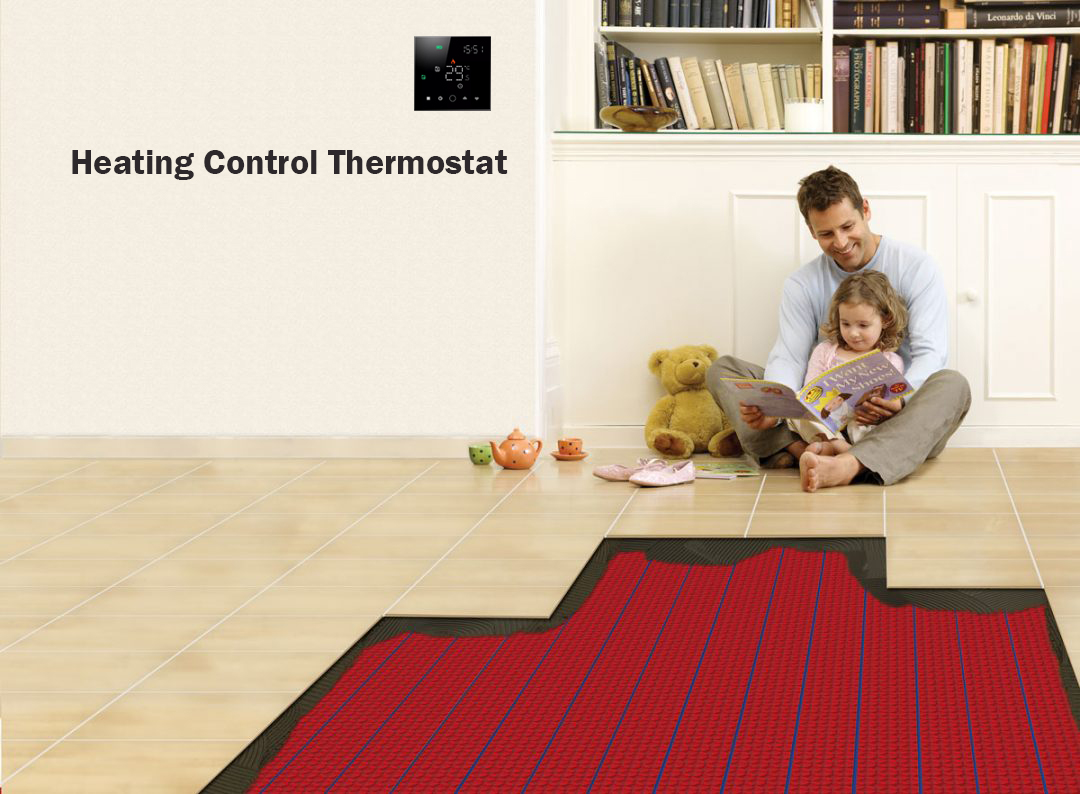
Humidity plays a significant role in perceived comfort too. Maintaining humidity levels between 30-50% can make your chosen temperature feel just right. Using a smart thermostat can help you track and adjust both temperature and humidity, ensuring your living room remains welcoming throughout the day.
Don't forget about natural factors that affect room temperature. South-facing windows can create warm spots during sunny afternoons, while drafty corners might need compensation through slightly higher temperature settings. Strategic use of curtains, blinds, and ceiling fans can help maintain your desired temperature without constantly adjusting your thermostat.
 Smart Touchscreen Wifi Home Thermostat
Why is Room Temperature Important?
Room temperature affects our comfort, sleep quality, productivity, and even our health. Maintaining the right temperature can improve everything from sleep quality (which is vital for physical health) to overall comfort at home. According to the World Health Organization (WHO), keeping room temperatures at a safe level, especially for children and elderly people, is crucial for health and safety.
When it comes to getting quality sleep, temperature plays a more crucial role than many realize. Sleep experts consistently recommend keeping your bedroom notably cooler than other areas of your home, with the ideal temperature ranging between 60°F and 67°F (15.6-19.4°C). This might feel surprisingly cool, but there's solid science behind this recommendation.
Our bodies naturally experience a slight temperature drop as part of our circadian rhythm when preparing for sleep. A cooler environment supports this natural process, helping trigger your body's sleep signals. Think of it as working with your body's built-in sleep mechanism rather than against it.
The quality of your sleep can significantly improve in a cooler room because it helps maintain your body's optimal temperature throughout the night. When your bedroom is too warm, you're more likely to experience restless sleep, increased waking periods, and reduced REM sleep – the stage crucial for memory consolidation and emotional processing.
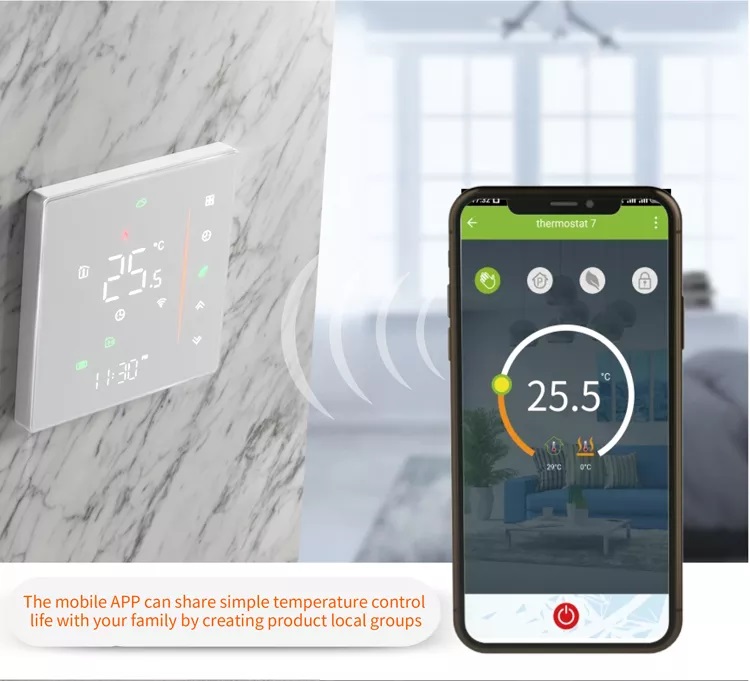
Creating this ideal sleep environment doesn't always mean cranking up the air conditioning. Simple strategies like using breathable bedding materials, keeping air circulating with a ceiling fan, and blocking out heat-generating light during the day can help maintain optimal sleeping temperatures. During winter months, rather than heating your bedroom excessively, consider using layered bedding that you can easily adjust throughout the night.
The key is consistency – maintaining these cooler temperatures regularly helps train your body to recognize these conditions as sleep signals, making it easier to fall asleep and stay asleep throughout the night.
What’s the Best Temperature for Different Areas?
Cozying Up the Baby's Room
Creating the perfect temperature environment for your baby requires special attention, as infants can't regulate their body temperature as effectively as adults. Pediatricians recommend maintaining a nursery temperature between 68°F and 72°F (20-22°C), striking a careful balance between comfort and safety.
Unlike adults who can adjust blankets or change positions easily, babies rely entirely on their caregivers to maintain their thermal comfort. A room that's too warm increases the risk of overheating and has been associated with SIDS (Sudden Infant Death Syndrome), while temperatures that are too cool can make it difficult for babies to maintain their body heat.
You can gauge your baby's comfort by touching the nape of their neck – it should feel warm but not sweaty. If your baby's room tends to run warm, consider using a ceiling fan on its lowest setting to maintain air circulation. This gentle air movement not only helps regulate temperature but has also been shown to reduce SIDS risk by up to 72%.
During nighttime feedings or diaper changes, avoid the temptation to raise the temperature. Instead, use appropriate sleepwear and consider a sleep sack rather than loose blankets. A reliable room thermometer can help you monitor the temperature consistently, giving you peace of mind that your little one is resting in a safe, comfortable environment.
Ensuring Warmth for the Elderly
Older adults have unique temperature needs that require special consideration. As we age, our bodies become less efficient at regulating internal temperature, making seniors more susceptible to both heat and cold stress. For optimal comfort and health, elderly living spaces should typically be maintained between 74°F and 78°F (23-26°C), notably warmer than temperatures preferred by younger adults.
This higher temperature range isn't just about comfort – it's a vital health consideration. Older adults experience a naturally slower metabolism and decreased circulation, which can make them feel cold even in environments that others find comfortable. Their skin also tends to be thinner and more sensitive to temperature changes, making proper temperature regulation crucial for their well-being.
During colder months, it's particularly important to maintain consistent warmth throughout living spaces. Draft-proofing windows and doors can help prevent cold spots, while portable heaters can provide additional warmth in frequently used areas. However, any heating equipment should include automatic shut-off features for safety.
Humidity control plays a significant role too, as dry air can exacerbate respiratory issues common among seniors. Using a humidifier to maintain levels between 40-60% can help prevent dry skin, and irritated airways, and make the ambient temperature feel more comfortable. Regular temperature monitoring and gradual adjustments are key, as elderly individuals might not immediately notice when conditions become too hot or too cold.
Catering to Pet Comfort
Our furry, feathered, and scaly friends each have their own unique temperature requirements for optimal health and comfort. While most domestic cats and dogs can adapt to comfortable temperatures between 68°F and 72°F (20-22°C), certain breeds and species need special consideration.
Short-nosed dog breeds like Pugs and Bulldogs are susceptible to heat and thrive in cooler environments, ideally below 70°F. In contrast, hairless cat breeds such as the Sphynx prefer warmer temperatures around 75°F. When it comes to exotic pets, temperature requirements become even more specific. Reptiles, for instance, need carefully controlled temperature gradients – bearded dragons require a basking spot of 95-105°F while maintaining a cooler area around 75-85°F for temperature regulation.
Birds appreciate consistency in their environment, with most pet birds comfortable at temperatures between 65-80°F. However, sudden temperature changes can stress them significantly, so any adjustments should be made gradually. For small mammals like hamsters and guinea pigs, temperatures between 65-75°F typically provide optimal comfort, though they're sensitive to drafts and should be kept away from air vents.
Please pay special attention to where your pet spends most of their time. A dog bed near a sunny window might become too warm during peak hours, while a reptile terrarium placed in a drafty area might not maintain adequate heat. Using thermometers in pet-specific areas helps ensure their immediate environment stays within appropriate ranges, regardless of room temperature.
Productivity and Comfort in Work Environments
Finding the sweet spot for office temperature isn't just about comfort – it directly impacts productivity and cognitive performance. Research from Cornell University suggests that the optimal temperature for workplace productivity lies between 70°F and 73°F (21-23°C), with employee performance dropping significantly when temperatures fall below or rise above this range.
Interestingly, gender plays a role in temperature perception at work. Studies have shown that women generally perform better on cognitive tasks in warmer environments (around 75°F), while men often prefer slightly cooler temperatures (around 71°F). This difference creates a challenge in shared workspaces, making it crucial to find a balanced compromise that works for everyone.
The nature of work also influences ideal temperature settings. For instance, spaces where physical activity is common, such as workshops or active office areas, benefit from cooler temperatures around 68°F. In contrast, areas dedicated to focused desk work might require slightly warmer temperatures to maintain comfort during long periods of sitting.
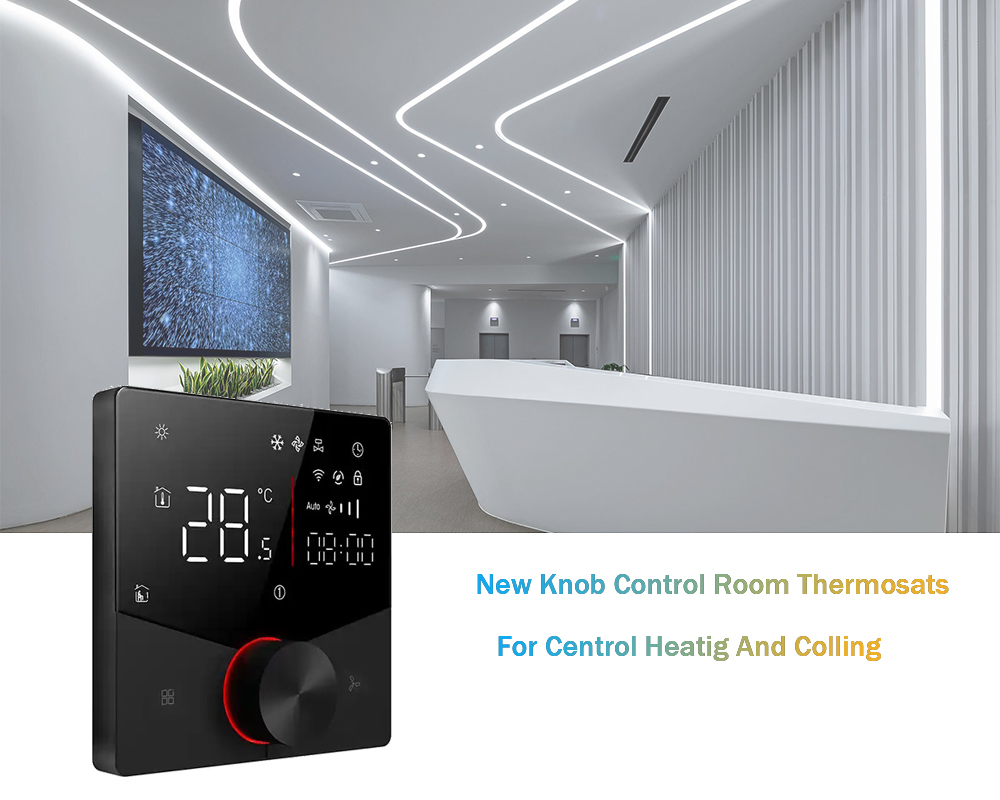
Modern work-from-home setups deserve special consideration. Home offices often experience more temperature fluctuations than traditional workplaces, affected by factors like direct sunlight or proximity to kitchen heat. Installing a separate thermostat or using a portable air conditioning unit can help maintain consistent temperatures in your home workspace. Consider adjusting your temperature throughout the day – slightly cooler temperatures during high-focus morning hours, with a modest increase during the afternoon when our natural body temperature tends to dip.
Seasonal Adjustments for Year-Round Comfort
Adapting your indoor temperature throughout the year isn't just about comfort – it's a smart strategy for energy efficiency and environmental responsibility. During winter months, setting your thermostat to 68°F (20°C) while you're active and awake provides a good balance between warmth and energy consumption. You might find that dropping the temperature by 3-5 degrees during sleeping hours or when away helps reduce energy bills without sacrificing comfort.
Summer comfort requires a different approach. The U.S. Department of Energy recommends setting your thermostat to 78°F (26°C) when you're home and active. This temperature, while slightly warmer than spring and fall settings, helps minimize the workload on your cooling system while maintaining reasonable comfort. Using ceiling fans can make these warmer temperatures feel 4-5 degrees cooler through the wind-chill effect.

The transition seasons – spring and fall – offer excellent opportunities for natural temperature regulation. Opening windows during cooler morning hours and closing them before peak heat can help maintain comfortable temperatures without relying heavily on HVAC systems. Smart thermostats can be particularly helpful during these seasons, automatically adjusting to outdoor temperature changes and your daily patterns.
Remember that humidity plays a crucial role in how we perceive temperature. Using dehumidifiers in summer and humidifiers in winter can help your chosen temperature settings feel more comfortable while protecting your home from moisture-related issues.
Conclusion
Whether it’s creating a cozy environment in your living room, optimizing your bedroom for better sleep, or maintaining a safe and comfortable space for elderly family members, managing room temperature is essential for your home’s overall comfort and health. Use smart technology, pay attention to seasonal changes, and personalize your settings to create a living space that meets everyone’s needs.
