Digital Thermostats
What is RITE? A Complete Guide to the Regulation of Thermal Installations in Buildings
If you work in HVAC, construction, or building automation in Spain, understanding RITE—the Regulation of Thermal Installations in Buildings—is essential. Despite being legally required for many projects, RITE is often misapplied or overlooked, which can lead to non-compliant installations and energy inefficiencies.
In this article, we’ll walk you through what RITE is, who it applies to, what it requires, and how to ensure your next building project meets the standard.
What Is RITE?
RITE stands for Reglamento de Instalaciones Térmicas en los Edificios, or Regulation of Thermal Installations in Buildings. It’s a mandatory regulation that sets the technical and energy efficiency standards for HVAC systems and domestic hot water (DHW) production in both residential and commercial buildings across Spain.
Established under Royal Decree 1027/2007, RITE's core goal is to reduce energy consumption and carbon emissions through smarter, more efficient building design and system maintenance.
What Installations Must Comply with RITE?
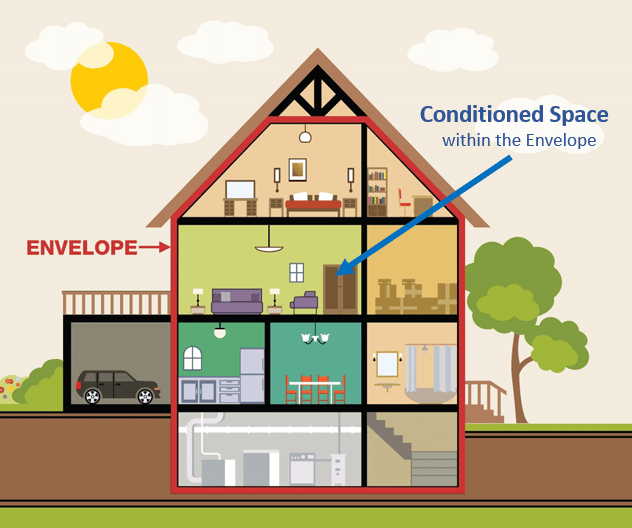
RITE applies to a wide range of HVAC and thermal systems, including:
•Fixed heating, cooling, and ventilation systems that provide thermal comfort or hot water.
•New installations in new buildings.
•Additions or modifications to existing systems.
•Renovated systems where design or technical specs are altered.
Who Is Exempt?
RITE does not apply to systems used exclusively for industrial or agricultural processes, where human comfort isn’t the objective.
Main Requirements of RITE
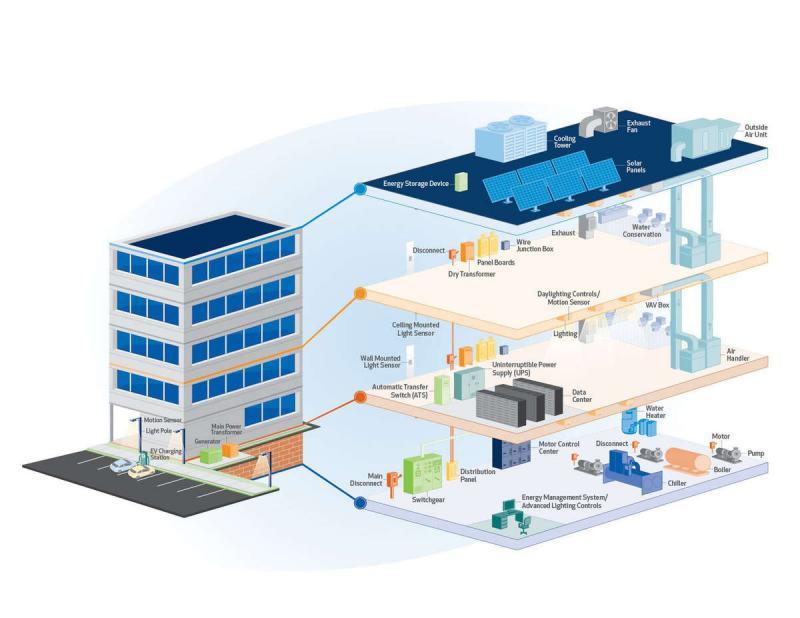
All RITE standards are aimed at increasing energy efficiency and reducing environmental impact. Key requirements include:
1. High-Efficiency HVAC Equipment
HVAC systems must meet strict energy performance thresholds. Any system that exceeds the defined limits is considered non-compliant.
2. Proper Thermal Insulation
Ducts and pipes must be thermally insulated to prevent energy loss during fluid distribution.
3. Smart Zoning and Control
Systems must include regulation that adjusts consumption by zone, ensuring energy is not wasted in unused areas.
4. Energy Monitoring
All installations should include consumption tracking devices, allowing for transparent energy accounting.
5. Energy Recovery Systems
Where applicable, systems should be able to recover and reuse surplus energy, reducing total consumption.
6. Use of Renewable and Residual Energy
RITE encourages the use of solar thermal, heat pumps, and residual energy sources from industrial operations.
How to Ensure Your Project Is RITE-Compliant
Despite its importance, RITE is often misunderstood. To help ensure compliance:
1. Understand the Regulation
Start with the official BOE text and clarify the requirements relevant to your region or sector.
2. Avoid Common Mistakes
Typical errors include:
•Lack of system zoning
•Insufficient insulation
•Using non-certified equipment
Visit our blog at Beris Tech for tips on energy-efficient installation.
3. Professional Responsibility
The professional responsible for the project must:
•Sign off on RITE compliance
•Test the installation
•Provide an operations and maintenance manual
•Comply with local technical reporting rules
Why RITE Matters for Sustainable Construction
Correctly applying RITE is not just about legal compliance—it's about building smarter, safer, and more sustainable environments.
When implemented properly, RITE:
•Saves energy and reduces utility costs
•Improves indoor comfort
•Supports Spain’s climate commitments under the EU Energy Efficiency Directive
◆Compliant Products: FCU Thermostats from Beris Tech
At Beris Tech, we design and manufacture smart, RITE-aligned HVAC controllers and thermostats for both residential and commercial applications. Our FCU Thermostats are:
•Compatible with smart zoning
•Support energy-saving features like external sensors
•Easy to install and maintain
They’re the ideal solution for ensuring your thermal installations meet RITE standards.

Conclusion: Is Your Project RITE-Ready?
RITE is more than a regulatory document—it’s a framework for building better. Compliance ensures not only legal security, but also energy efficiency, user comfort, and long-term project value.
At Beris Tech, we're here to help you meet and exceed these standards.
Explore our product range or contact us for expert advice.

Helpful Resources
