Motorized Valves
How Modulating Control Valves Improve Comfort in HVAC Systems?
Modulating control valves play an important role in HVAC systems. They are more accurate in temperature control and are beneficial to energy saving of the entire system. In this article, we will describe in detail how modulating control valves can improve the comfort of the entire HVAC system.
1. Ensuring Consistent Airflow and Temperature
One of the primary ways modulating control valves enhance comfort in HVAC systems is by ensuring consistent airflow and temperature throughout a building. These valves work by continuously adjusting the flow of air, water, or refrigerant to meet the precise heating or cooling needs of the space. Unlike traditional on/off valves, which can cause abrupt changes in temperature and airflow, modulating valves allow for smooth, incremental adjustments, resulting in a more stable indoor environment.
For instance, in heating systems, modulating valves regulate the amount of hot water entering radiators or air handling units. This steady control ensures that the temperature remains within the desired range without significant fluctuations, avoiding the discomfort of sudden temperature shifts. In cooling systems, modulating valves help maintain an even distribution of chilled air or water, preventing areas from becoming too cold or too warm.
The result is a comfortable, stable indoor climate that doesn't require constant adjustments or lead to uncomfortable hot and cold spots. This is especially important in large commercial buildings, where inconsistent temperatures can lead to occupant dissatisfaction and decreased productivity.
2. Preventing Overheating or Overcooling
Another key benefit of modulating control valves is their ability to prevent overheating or overcooling, which can be common in systems with less precise control. On/off valves often result in drastic changes in temperature as they switch between fully open or fully closed positions. This can lead to rooms that feel too hot or too cold at certain times, causing discomfort and the need for additional heating or cooling.
Modulating control valves, on the other hand, adjust gradually, ensuring that temperatures stay within a narrow range. This ability to fine-tune the flow of conditioned air or water means that HVAC systems can maintain a steady state without the risk of overheating or overcooling a room. Whether it's a chilly winter day or a hot summer afternoon, modulating valves provide more accurate and responsive temperature control, improving the overall comfort for building occupants.
3. Controlling Humidity and Air Quality
In addition to temperature control, modulating control valves also play a significant role in managing humidity and indoor air quality (IAQ)—both of which are crucial for occupant health and comfort.
For example, in HVAC systems with humidification or dehumidification capabilities, modulating control valves help regulate the flow of water or air based on real-time humidity levels. This precise control prevents excessive dryness or high humidity, both of which can lead to discomfort and health issues such as dry skin, respiratory problems, or the growth of mold and mildew.
By maintaining the optimal humidity levels within a building, modulating control valves help improve indoor air quality, ensuring that the air remains clean, fresh, and comfortable to breathe. In spaces like offices, hospitals, or homes, where air quality is critical, this capability can significantly enhance the well-being of occupants.
4. Noise Reduction in HVAC Systems
An often-overlooked benefit of modulating control valves is their ability to reduce noise in HVAC systems. On/off valves, when they open or close abruptly, can create loud sounds due to the sudden change in pressure and airflow. These noise fluctuations can be especially disruptive in environments that require a quiet atmosphere, such as offices, conference rooms, or residential spaces.
Because modulating control valves adjust gradually and continuously, they prevent these sharp pressure changes and the noise that accompanies them. As a result, the HVAC system operates more quietly, creating a more peaceful and comfortable environment for occupants. Whether it's the hum of air conditioning or the flow of water through heating pipes, quiet operation is a significant factor in improving comfort, particularly in areas where noise sensitivity is a concern.
Why Modulating Control Valve Matters for Commercial and Residential Applications?
In both commercial buildings and residential homes, comfort is key to creating a positive and productive environment. In commercial spaces, where employee satisfaction and productivity can be directly impacted by HVAC performance, the ability to maintain a comfortable temperature and air quality can lead to greater workplace efficiency and fewer complaints.
In residential applications, particularly in larger homes or buildings with varying heating and cooling needs, modulating control valves ensures that every room remains at the ideal temperature, preventing the discomfort of uneven heating or cooling. Additionally, for smart homes with integrated systems, modulating control valves can be synced with smart thermostats to maintain optimal comfort based on real-time data from sensors and automated systems.
>> Relative Modulating Control Valves From Beris Tech
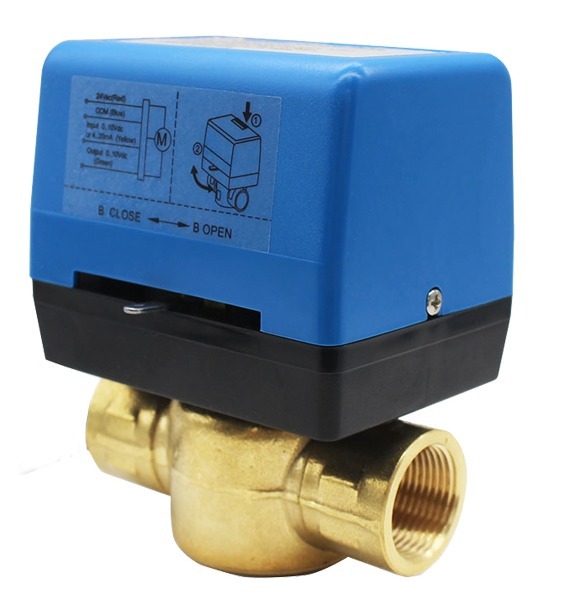
Electric 24V Modulating Control Valve For Chiller Water FCU
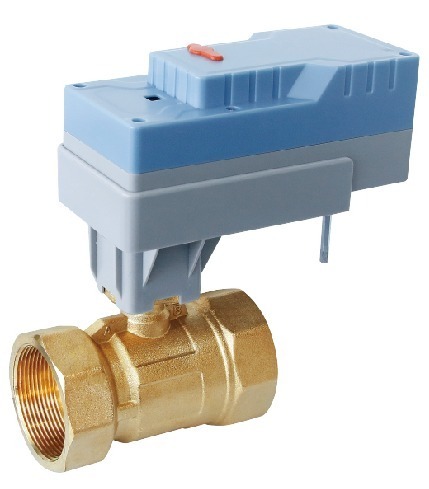
24V Modulating Ball Valve For Chiller Water FCU
>> Relative Modulating Thermostats From Beris Tech
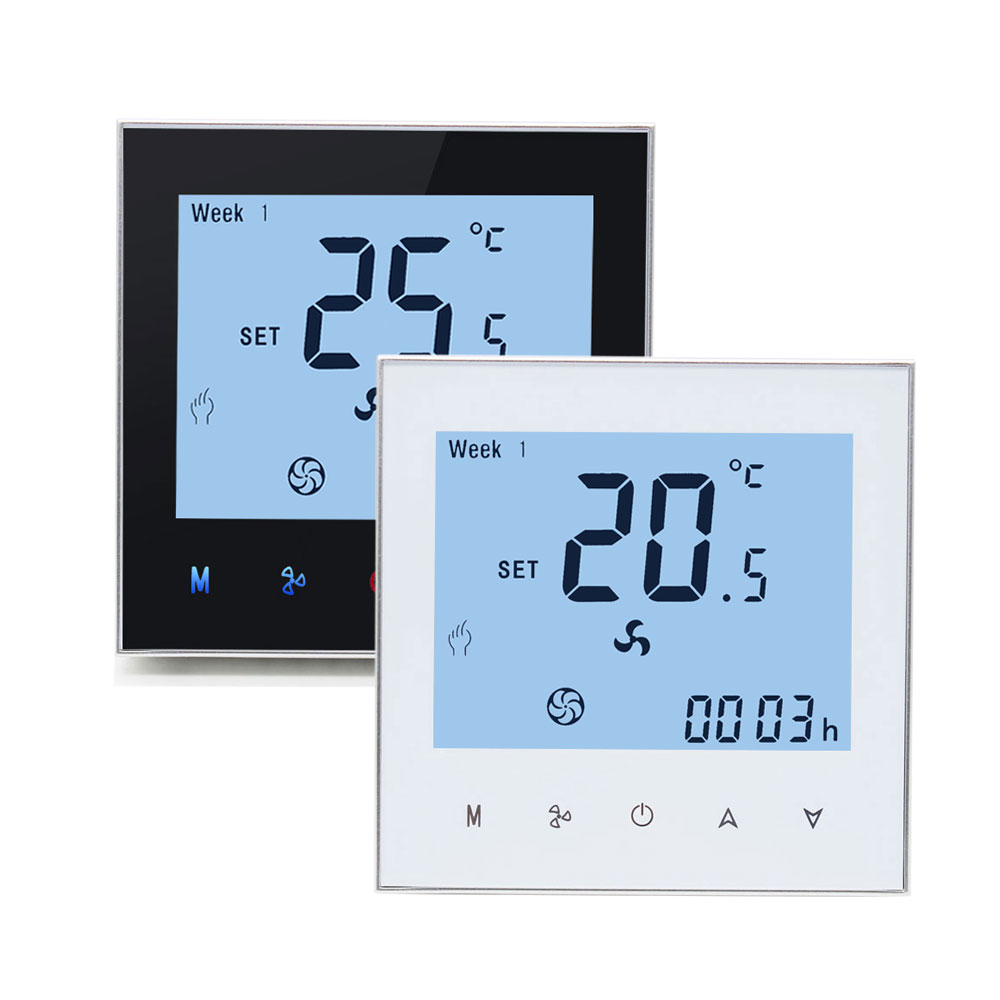
24V Modulating 2 Pipe 4 Pipe FCU Thermostat For Heating And Cooling
