Digital Thermostats
How Does a Thermostat Work? A Comprehensive Guide to Understanding Thermostats
When it comes to managing your home's temperature, the thermostat is the key player. Whether you’re heating your house in the winter or cooling it in the summer, the thermostat plays an essential role in maintaining comfort and efficiency. But how does a thermostat actually work? Do thermostats control radiators? And what is a room thermostat? In this article, we’ll answer these questions and more, providing you with a detailed, easy-to-understand overview of how thermostats operate.
What Is A Room Thermostat?
A thermostat is a device that regulates your home’s temperature by controlling your heating system. When you set the thermostat to a desired temperature, it signals your boiler to either turn on or off to maintain that temperature in the room. Room thermostats are typically installed on the walls of a room, with either a dial or digital interface that allows you to adjust the temperature setting.
The thermostat’s primary function is to ensure your home stays at the temperature you’ve chosen, while also helping you manage energy consumption. By turning your heating on only when necessary, thermostats help to reduce energy waste, which in turn lowers your energy bills.

How Do Thermostats Work?
Understanding how thermostats work requires a look at the two primary methods they use to detect and control temperature:
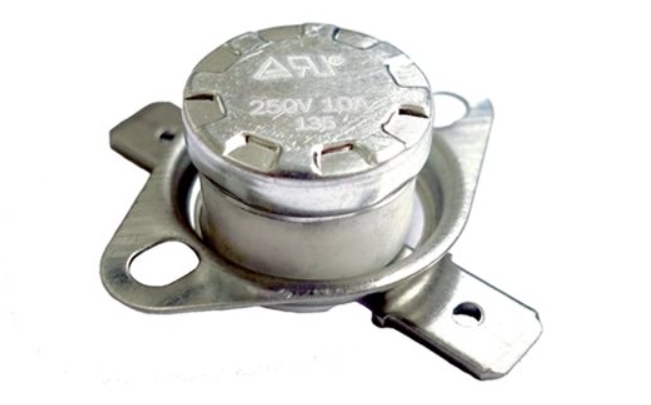
1. Metallic Components (Bimetallic Thermostats)
One of the earliest designs for thermostats used a bimetallic strip—two different metals that expand at different rates when heated. The metals are bonded together, and as the temperature rises, the metals expand and cause the strip to bend. This bending moves a pointer, which is calibrated to a scale that shows the current temperature. Once the desired temperature is reached, the thermostat triggers the heating system to turn off.
While this technology is still in use, it’s far less common in modern thermostats, which often rely on more advanced methods for temperature sensing.
2. Electric Sensors (Digital Thermostats)
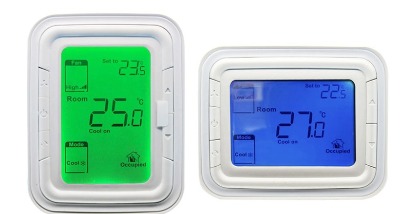
Today, many thermostats use electronic sensors, which are more accurate and efficient than their metallic counterparts. These sensors monitor the temperature of the room and send signals to the thermostat's control system, allowing it to adjust the heating system with pinpoint accuracy—often within a degree of the set temperature. This method allows for greater precision and better energy management.
Electric sensors work by detecting temperature changes using thermistors or resistive temperature devices, which change resistance as the temperature fluctuates. The thermostat then compares the current room temperature with the user-set temperature, triggering the heating system as needed.
Does A Thermostat Control Radiators?
While thermostats don’t directly control each individual radiator, they do play an important role in regulating the heating system that powers them. The thermostat communicates with the boiler, which in turn heats the water that circulates through your radiators.
For example, if you set your thermostat to 20°C, the heating system will turn on, and the radiators will begin to heat up until the room reaches the desired temperature. Once the thermostat detects the room temperature has reached 20°C, it will signal the boiler to shut off, stopping the radiators from heating any further.
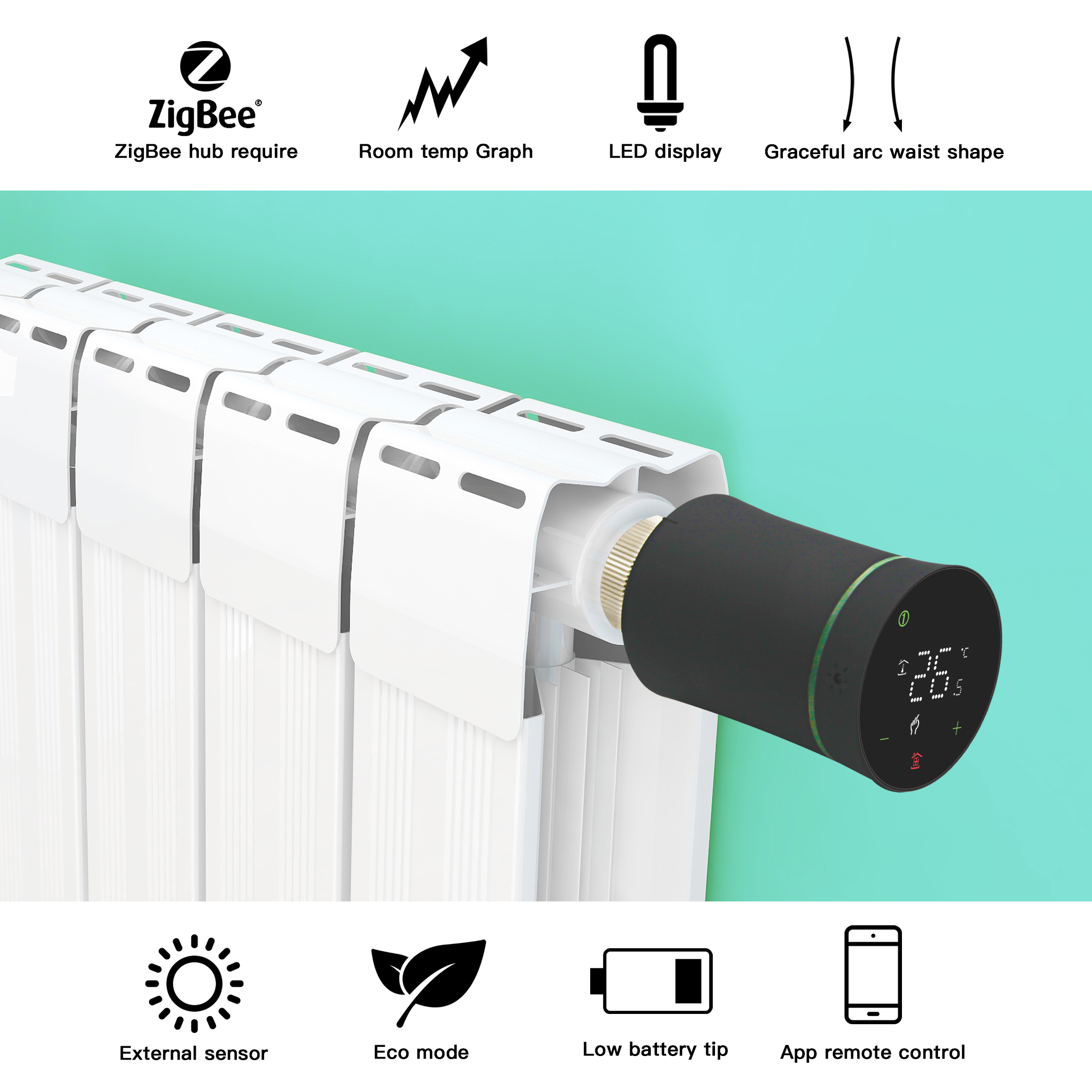
If you want more precise control over which radiators are heated and which are not, you can install radiator valves that allow you to adjust the flow of hot water to each radiator. For even more control, you can upgrade to smart radiator thermostats, which enable you to adjust the temperature in individual rooms for maximum comfort and energy efficiency.
Where Should A Thermostat Be Placed?
The placement of your thermostat is crucial for accurate readings. A thermostat should be installed in a location that reflects the general temperature of the room, away from drafts, direct sunlight, or heat sources like radiators or lamps.
For best results, place your thermostat on an interior wall, ideally in a hallway or living area where it won’t be affected by external temperature changes. Avoid placing the thermostat near windows, doors, or vents, as these areas can create temperature fluctuations that will lead to inaccurate readings.
If you’re unsure about where to place your thermostat, many HVAC experts suggest consulting with a professional installer who can ensure it’s positioned for optimal performance.
How Do You Set A Room Thermostat?
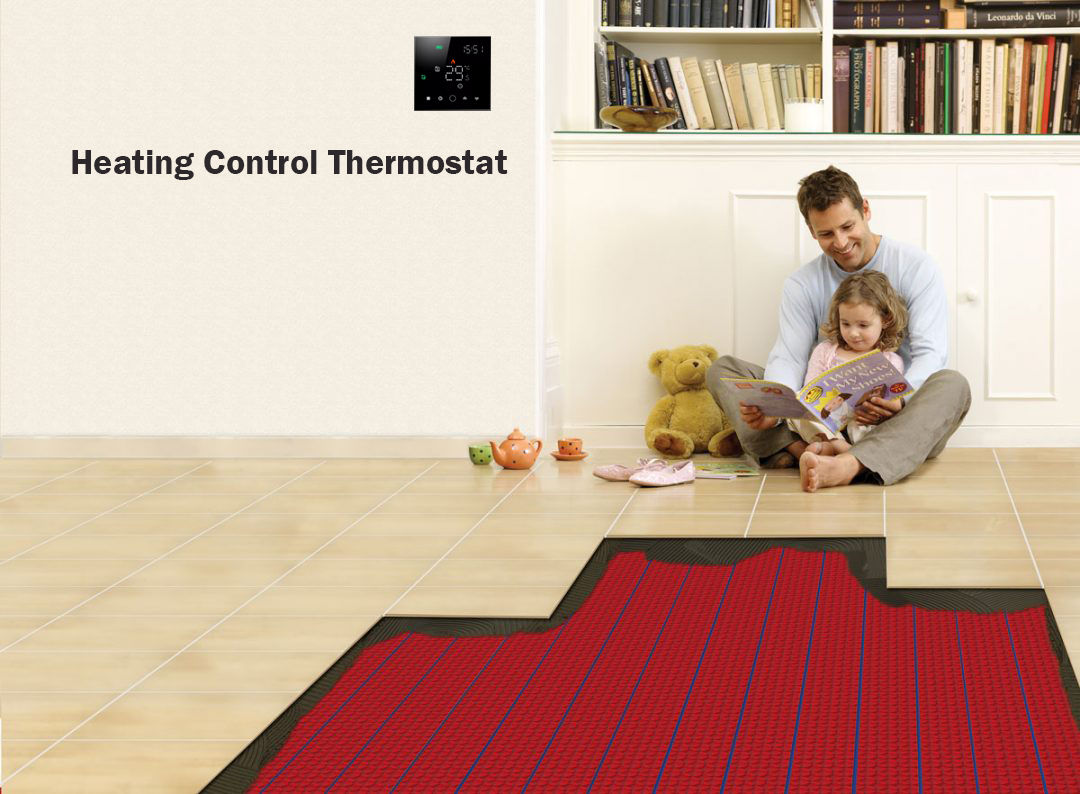
Setting your thermostat is relatively simple, but understanding how to do it effectively can help you maximize comfort and efficiency. Most thermostats come with either a dial, buttons, or a touchscreen interface.
Temperature Range
While exact temperature settings will depend on your personal preference, the most commonly recommended range for comfortable indoor temperatures is between 18-21°C (64-70°F). During colder weather, you may increase the setting to keep warm, while in warmer months, you can lower it to prevent overheating.
It’s also worth noting that lowering your thermostat by just a couple of degrees during winter or raising it during summer can lead to noticeable savings on your energy bills. A few small adjustments go a long way.
Energy-Saving Tip
If you're looking to save even more, consider setting your thermostat lower when you’re not at home, or using a programmable thermostat that adjusts the temperature automatically based on your schedule. Many modern thermostats even allow you to control the temperature remotely using a smartphone app.
How About Smart Thermostats – What Are They?

In today’s connected world, smart thermostats offer a higher level of convenience, efficiency, and energy savings. These advanced devices operate through your central boiler and can be controlled remotely through a mobile app, making them an ideal solution for tech-savvy homeowners who want total control over their heating systems.
With a smart thermostat, you can set heating schedules, adjust room-to-room temperatures, and monitor your home’s energy use—all from the palm of your hand. These thermostats learn your habits over time and adjust heating patterns to ensure maximum efficiency, helping you save on energy bills while keeping your home comfortable.
Moreover, many smart thermostats are compatible with voice-activated home assistants, such as Amazon Alexa or Google Assistant, allowing you to control the temperature with just a few spoken words.
Interested in upgrading? Find out more about smart thermostats here and how they can transform your home heating experience.
Conclusion
Thermostats are essential tools for managing your home’s temperature and ensuring that your heating system works efficiently. Whether you’re using a traditional dial thermostat, a digital version, or a high-tech smart thermostat, understanding how thermostats work can help you get the most out of your system.
By correctly setting your thermostat, placing it in an optimal location, and choosing the right technology for your needs, you can maintain comfort in your home and reduce your energy bills.
For more tips on efficient heating and thermostat management, visit our Heating Solutions Pages, where we provide expert advice on home heating systems and energy-saving techniques.