Digital Thermostats
Radiant Heating: What It Is, How It Works, and Where It’s Used?
As the colder months approach, homeowners and businesses alike begin searching for efficient and comfortable heating solutions. One option that continues to gain popularity worldwide is radiant heating. Unlike traditional convection systems, radiant heating delivers warmth more naturally and efficiently. In this article, we’ll explore what radiant heating is, its key advantages, and the most common applications in residential and commercial spaces.
What Is Radiant Heating?
Radiant heating is a method of warming indoor spaces by transferring heat through infrared radiation. Instead of heating the air directly, radiant systems warm surfaces such as floors, walls, or ceilings, which then radiate heat into the room. This creates a consistent and comfortable indoor climate.
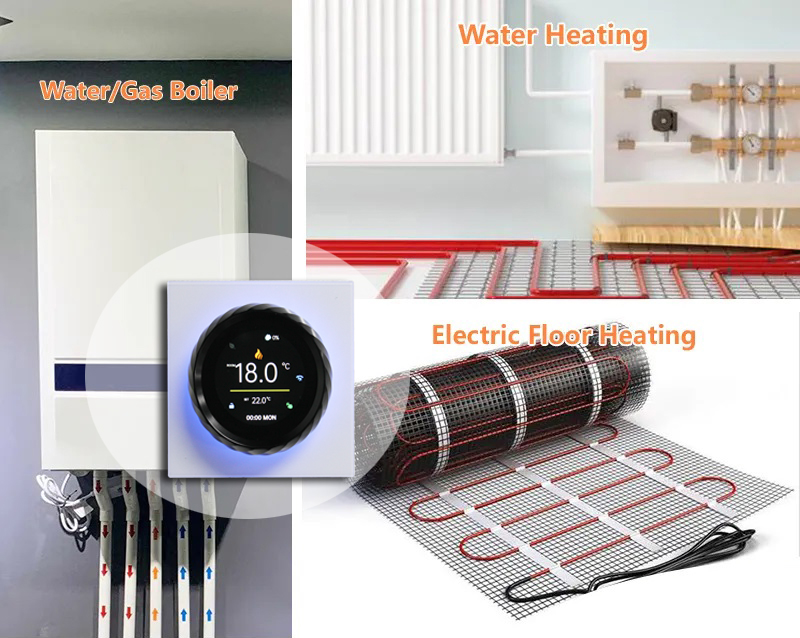
There are two main types of radiant heating systems:
- Electric radiant heating – uses electric cables or mats to generate heat.
- Hydronic (water-based) radiant heating – the most common system, where warm water circulates through pipes to distribute heat.
One of the key differences from convection heating is temperature. While convection systems often require water temperatures above 70°C, radiant heating can operate effectively at just 45–50°C, making it significantly more energy-efficient.
For more details on how radiant heating compares to convection systems, see Energy.gov’s guide on radiant heating.
Advantages of Radiant Heating
Radiant heating has become increasingly popular because of the wide range of benefits it offers:
- High energy efficiency – Lower operating temperatures reduce overall energy consumption and utility costs.
- Compatibility with other systems – Works seamlessly with boilers, heat pumps, and renewable energy sources like solar panels.
- Unobtrusive design – Installed within walls, floors, or ceilings, leaving interiors clutter-free and aesthetically pleasing.
- Healthier indoor environment – No forced air circulation means reduced dust movement and less dryness, which is ideal for allergy sufferers.
- Return on investment – While installation costs may be higher, energy savings allow homeowners to recover costs within a few years.
- Low maintenance – Systems require minimal servicing compared to traditional HVAC units.
According to the European Heating Industry, radiant heating systems also contribute to lower carbon emissions when paired with renewable energy sources.
Applications of Radiant Heating
Radiant heating has been widely used in colder regions of Europe and North America since the mid-20th century. In countries such as Spain, it is now experiencing a steady rise in popularity. The technology can be applied in multiple ways:
1. Underfloor Heating
The most common and versatile application, underfloor heating, is ideal for homes, offices, and large commercial spaces. It consists of a network of plastic pipes installed beneath the floor surface. Heated water circulates through these pipes, warming the floor and radiating heat evenly across the room.
- Heat sources include boilers, heat pumps, or solar thermal systems.
- Provides uniform warmth without cold spots.
- Enhances comfort, especially in tiled or stone-floored areas.
For more insights into this technology, check out our detailed guide on underfloor heating systems
2. Radiant Ceiling Heating
Radiant ceiling heating offers an excellent alternative when underfloor installation is impractical. It requires less civil work and can often be integrated into false ceilings, making it a cost-effective option.
- Particularly useful in commercial buildings or spaces with high ceilings.
- Can achieve energy savings of up to 40% compared to conventional heating systems.
- Easy to retrofit in renovations.
3. Radiant Wall Heating
A newer but promising application, radiant wall heating involves embedding heating modules or coils within wall structures.
- Pre-assembled panels can be coated with finishing materials.
- Coil installations (snail-shaped) are placed behind plasterboard.
- Still relatively uncommon but gaining traction in modern construction projects.
Conclusion
Radiant heating stands out as a sustainable, efficient, and comfortable solution for residential and commercial heating needs. Its versatility allows it to be adapted to floors, ceilings, or walls, making it suitable for different building types and architectural requirements. When combined with renewable energy sources, it not only lowers heating costs but also reduces environmental impact.
If you’re considering upgrading your heating system, radiant heating is a forward-looking choice that combines modern comfort with long-term savings. For professional advice and tailored solutions, explore our heating solutions page
Pro Tip: Always work with certified professionals for installation to ensure efficiency, safety, and compliance with local building codes.