Motorized Valves
How Modulating Control Valves Improve Efficiency in HVAC Systems?
A modulating control valve is a critical component in modern HVAC (Heating, Ventilation, and Air Conditioning) systems, designed to manage the flow of air, water, or other fluids. Unlike traditional on/off valves that either fully open or close to regulate flow, modulating control valves provide precise control over the amount of fluid passing through the system. These valves adjust continuously, fine-tuning the flow rate in real-time based on signals such as temperature, pressure, or flow demand, ensuring optimal performance of the HVAC system.
In an HVAC system, where maintaining the right temperature and air quality is crucial, modulating control valves helps achieve just the right balance. Providing a smooth, responsive adjustment to airflow or fluid flow, these valves help maintain a stable indoor environment, avoid overcooling or overheating, and reduce energy wastage.
For example, in a chilled water system, a modulating control valve regulates the water flow to cooling coils in order to maintain consistent cooling throughout the space. In variable air volume (VAV) systems, these valves control the airflow to different areas based on occupancy or environmental conditions.
Importance of HVAC Efficiency
As energy prices continue to rise and environmental sustainability becomes a growing concern, HVAC efficiency has never been more important. According to the U.S. Department of Energy, HVAC systems are responsible for approximately 50% of energy use in commercial buildings. This means that optimizing HVAC efficiency can lead to significant cost savings and a reduced environmental impact.
In addition to the financial and environmental benefits, efficient HVAC systems also enhance occupant comfort. Modulating control valves contribute to this by providing better control over the temperature, humidity, and airflow, all of which play a role in the overall comfort of building occupants.
The importance of modulating valves goes beyond just energy efficiency. These valves are key in adapting HVAC systems to the modern demands of smart buildings, where automation and real-time data play a large role in system optimization. As the HVAC industry continues to evolve, modulating control valves are emerging as a fundamental tool for achieving sustainability goals while maintaining top-tier performance.
Why You Should Care About Modulating Control Valves?
Whether you're an engineer, contractor, facility manager, or building owner, understanding the role of modulating control valves in HVAC systems is essential. Not only do they contribute to energy savings, but they also help optimize system performance, improve comfort, and reduce operational costs. If you're considering upgrading your HVAC system, investing in high-quality modulating control valves could be one of the best decisions for ensuring long-term efficiency and sustainability.
In the upcoming sections, we’ll explore exactly how these valves work, their benefits, and why they are critical to improving the efficiency of HVAC systems.
Xiamen Beris Tech Co. Ltd. Relative modulating and on/off valves:
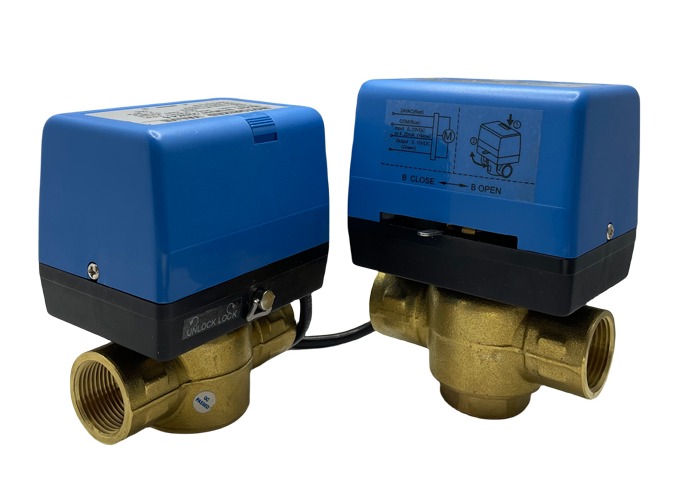
24V Electric Modulating 0-10V Actuator Valve
110V/220V On/Off 2-Way And 3-Way Motorized Valve
