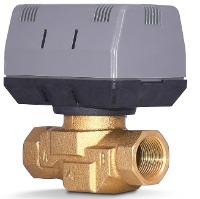
Motorized Valves
What Benefits of Modulating Control Valves in HVAC Systems?
1. Enhanced Energy Efficiency
One of the most significant advantages of using modulating control valves in HVAC systems is the improvement in energy efficiency. These valves continuously adjust the flow of air, water, or refrigerant based on real-time demand, unlike traditional on/off valves, which operate in a binary fashion, switching fully open or closed.
By modulating the flow, these valves ensure that the system only consumes the exact amount of energy required at any given time. This dynamic control prevents the overuse of energy, which commonly occurs in systems with less precise control. For example, in a chilled water system, a modulating valve adjusts the flow of chilled water to cooling coils, ensuring that the air conditioning system doesn't over-cool a space, leading to energy waste.
This precise modulation leads to significant energy savings over time. According to a study by the U.S. Department of Energy, improving HVAC system efficiency can reduce energy consumption by as much as 20-30% in commercial buildings.
Key Takeaway: Modulating control valves helps avoid the over-consumption of energy by adjusting fluid flow in real-time to match the needs of the system, enhancing the overall energy efficiency of HVAC systems.
2. Reduced Wear and Tear on Equipment
Another significant benefit of modulating control valves is their ability to reduce wear and tear on HVAC equipment. Traditional on/off valves put more strain on HVAC components such as pumps, fans, and compressors due to the abrupt starts and stops in flow.
In contrast, modulating control valves provide gradual, smooth transitions, helping to prevent mechanical stress on these components. The continuous modulation reduces the frequency of equipment cycling, which can extend the lifespan of the system. In pumps, for instance, modulating valves prevent water hammering and unnecessary fluctuations in pressure, thereby minimizing the chances of leaks or mechanical damage.
By enhancing the longevity of HVAC equipment, these valves reduce the need for costly repairs or replacements and contribute to lower maintenance costs over time.
Key Takeaway: With smooth adjustments in flow, modulating control valves minimizes mechanical stress, leading to lower maintenance costs and longer equipment lifespan.
3. Improved Comfort and Consistency
As discussed earlier, modulating control valves enhances occupant comfort by ensuring a consistent indoor climate. Unlike on/off valves, which can cause uncomfortable temperature swings or fluctuations in airflow, modulating valves provide steady and precise adjustments to heating, cooling, and ventilation levels.
For example, in a variable air volume (VAV) system, the modulating valve adjusts the airflow to meet the changing temperature needs of different rooms, ensuring that no space gets too hot or cold. Similarly, in hot water systems, the valve modulates the flow of water to heating coils, ensuring that the room temperature remains stable and comfortable.
By providing consistent, even heating and cooling, modulating control valves eliminate the discomfort of hot and cold spots, leading to improved occupant satisfaction.
Key Takeaway: These valves create a more comfortable and stable environment by precisely controlling temperature and airflow, which reduces temperature fluctuations and enhances overall comfort.
4. Lower Operating Costs
While the upfront installation cost of modulating control valves may be higher than traditional on/off valves, their long-term operating savings make them a highly cost-effective choice for HVAC systems. These valves help lower the operational costs of running HVAC systems by optimizing energy use and reducing equipment wear.
In addition to energy savings, the reduced maintenance needs and longer service life of the equipment contribute to significant cost reductions over time. In commercial buildings, where HVAC systems run constantly, these savings can be substantial. According to a report by the Environmental Protection Agency (EPA), energy-efficient systems like those using modulating valves can reduce operating costs by up to 30%.
Key Takeaway: Modulating control valves helps lower the overall operating costs of HVAC systems through energy savings and reduced maintenance needs.
5. Better Integration with Smart Building Technology
As the world of HVAC systems becomes more automated and integrated with smart technology, modulating control valves are becoming essential for seamless integration. Smart HVAC systems, which use sensors and real-time data to adjust settings dynamically, rely on modulating valves to make real-time adjustments based on current conditions.
These valves can easily be integrated with smart thermostats, building management systems (BMS), and IoT (Internet of Things) devices. This allows building managers to monitor and control HVAC systems remotely, making it easier to optimize energy use, ensure comfort, and reduce costs.
For example, using a smart thermostat with modulating valves, you can set precise temperature goals for each room based on time of day, occupancy, or external weather conditions, leading to further energy savings and increased comfort.
Key Takeaway: The ability to integrate modulating control valves with smart building technologies provides greater control over HVAC systems, helping optimize performance and improve user experience.
6. Environmental Sustainability
In addition to cost savings and comfort, modulating control valves contribute to the environmental sustainability of HVAC systems. By optimizing energy usage and reducing waste, these valves help lower carbon emissions and decrease the overall environmental footprint of a building.
As more industries and buildings strive to meet green building standards such as LEED (Leadership in Energy and Environmental Design), modulating control valves are becoming an integral part of energy-efficient designs. Improving HVAC system efficiency, they help buildings achieve certification while meeting local and international energy efficiency codes.
Key Takeaway: Modulating control valves helps HVAC systems meet green building standards by reducing energy consumption and lowering carbon emissions.
Conclusion
Modulating control valves into HVAC systems offers many benefits, ranging from improved energy efficiency and comfort to lower operational costs and enhanced equipment longevity. As buildings become smarter and more energy-conscious, these valves are playing an increasingly important role in achieving sustainability goals while ensuring optimal performance.
If you’re looking to upgrade your HVAC system or make it more efficient, investing in modulating control valves can be one of the most effective ways to boost both comfort and cost savings.
Beris Tech Relative HVAC Control Valves:
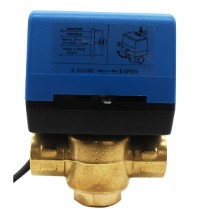
24V Modulating Control Valve For HVAC Systems
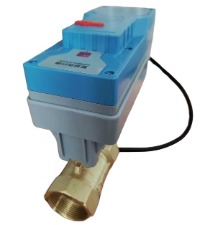
DN20~DN50mm Electric Modulating Ball Valve