Digital Thermostats
Why Should You Upgrade Your Ducted Air Conditioning with Zoning?
Ducted air conditioning systems have become a preferred choice for climate control in modern homes and commercial spaces. Their seamless integration into buildings, aesthetic appeal, and ability to cool multiple rooms make them a compelling option. However, traditional ducted systems operate as a single unit, providing uniform cooling across all areas—an approach that often leads to energy inefficiency and discomfort.
Zoning technology presents a solution to these drawbacks, offering a more efficient and comfortable way to regulate indoor temperatures. In this article, we explore the benefits and limitations of ducted air conditioning and why zoning is an essential upgrade for homeowners and businesses looking to optimize their cooling systems.
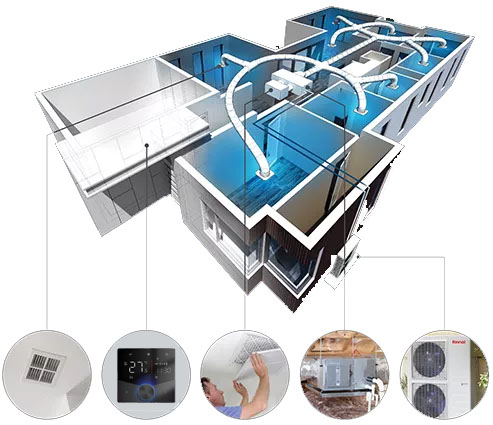
Pros and Cons of Ducted Air Conditioning
Advantages of Ducted Air Conditioning
Ducted systems offer several benefits, particularly in settings where centralized cooling is a priority:
- ●Minimal Aesthetic Impact – Unlike split systems or cassette air conditioners, ducted systems have concealed ductwork, preserving the interior design of homes and offices.
- ●Effective Multi-Room Cooling – Ideal for large properties, ducted air conditioning can efficiently distribute cool air across multiple rooms.
- ●Cost-Effective Initial Investment – In properties with pre-installed ductwork, setting up a ducted system can be more economical than installing multiple split units.
Disadvantages of Ducted Air Conditioning
Despite these benefits, traditional ducted systems come with significant drawbacks:
- ●Single-Zone Operation – The entire system functions as one unit, meaning a single temperature setting applies to the entire building, regardless of individual room requirements.
- ●Energy Waste – Cooling unoccupied rooms results in unnecessary energy consumption and higher utility bills.
- ●Reduced Comfort – Different rooms may have varying cooling needs based on their size, occupancy, and usage, making a uniform temperature setting impractical.
To put it into perspective, running a ducted air conditioner without zoning is like turning on all the lights in your home simultaneously, even in rooms you’re not using. Clearly, this isn’t the most efficient approach.
The Concept of Zoning
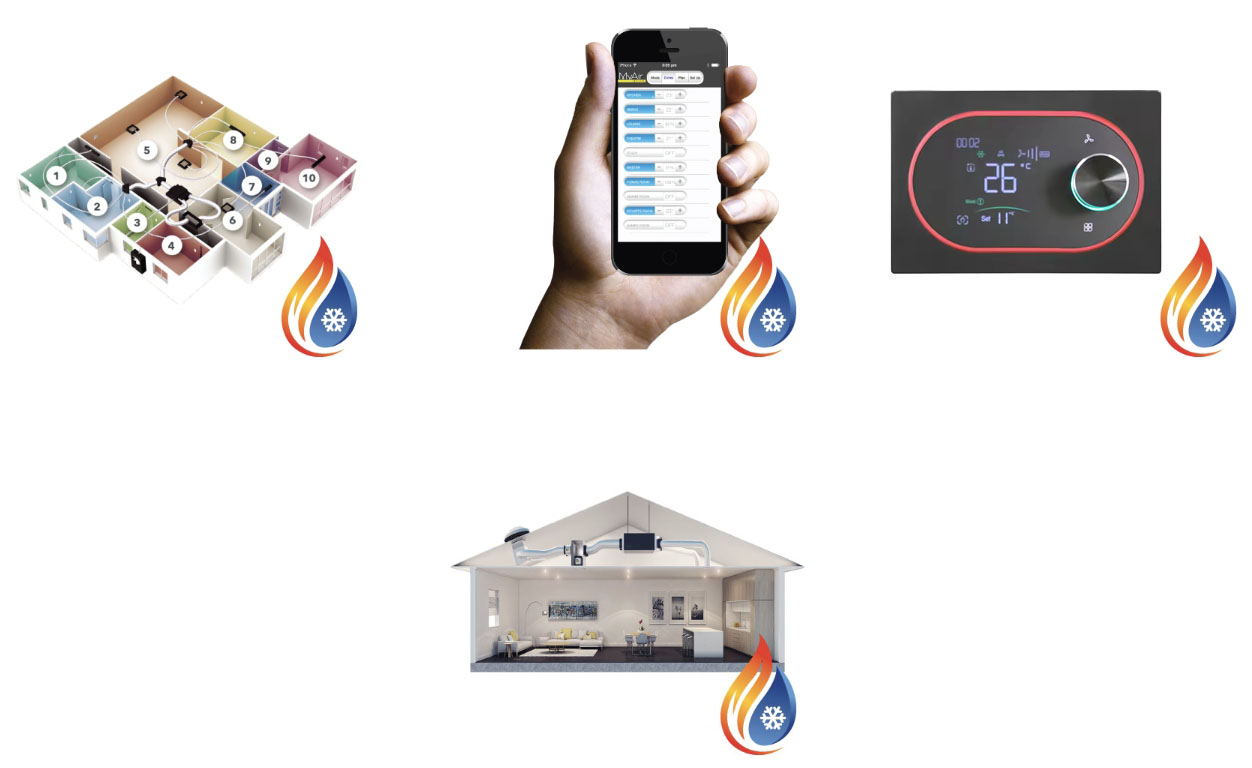
Zoning, or zoned air conditioning, is a technology designed to address the inefficiencies of traditional ducted systems. It allows users to divide their home or office into different cooling zones, each controlled independently.
How Does Zoning Work?
A zoned air conditioning system uses thermostats and motorized dampers within the ductwork. Each room or zone has its own thermostat that communicates with the system to adjust airflow based on the desired temperature. This means you can:
- ◆Set different temperatures for different rooms.
- ◆Shut off cooling in unoccupied areas.
- ◆Reduce overall energy consumption while maintaining comfort.
Benefits of Zoning
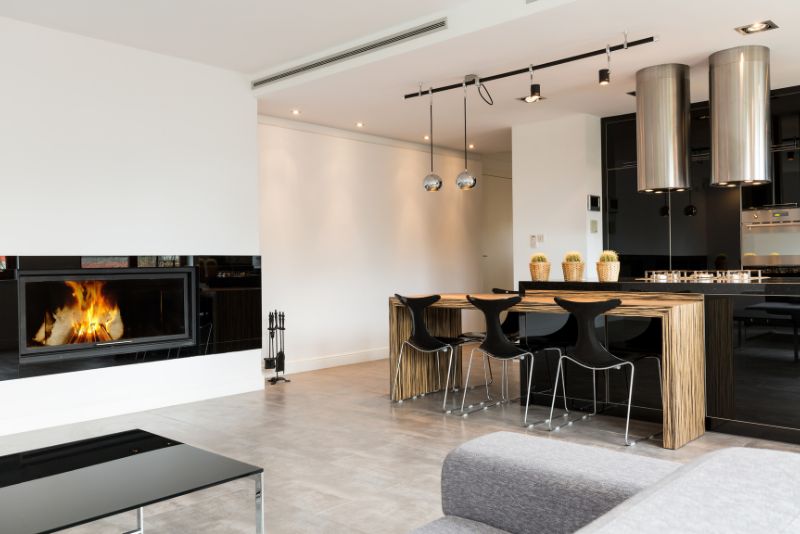
1. Enhanced Comfort for Every Room
One of the biggest advantages of zoning is personalized comfort. Different family members or office occupants can set their preferred temperatures for individual rooms. For example, bedrooms can be kept cooler at night while the living room remains at a moderate temperature.
2. Significant Energy Savings
By cooling only the rooms that need it, zoning significantly reduces energy consumption. Studies indicate that a well-designed zoning system can cut energy costs by more than 50% compared to a standard ducted system without zoning. Energy.gov also supports the use of smart climate control strategies to enhance efficiency.
3. Improved Energy Efficiency Ratings
Many modern zoning systems incorporate advanced energy-saving algorithms that optimize airflow distribution. This not only reduces waste but can also improve a property's overall energy rating, making it more eco-friendly and potentially increasing its market value.
4. Smart Control & Remote Access
Most zoning systems now integrate with smart home technology, allowing users to control temperatures via smartphones, tablets, or computers. Features include:
- ●Remote Access – Adjust settings from anywhere, ensuring your home is at the perfect temperature upon arrival.
- ●Scheduled Cooling – Program temperature settings for different times of the day, reducing unnecessary operation.
- ●Usage Monitoring – Track energy consumption patterns and make adjustments accordingly.
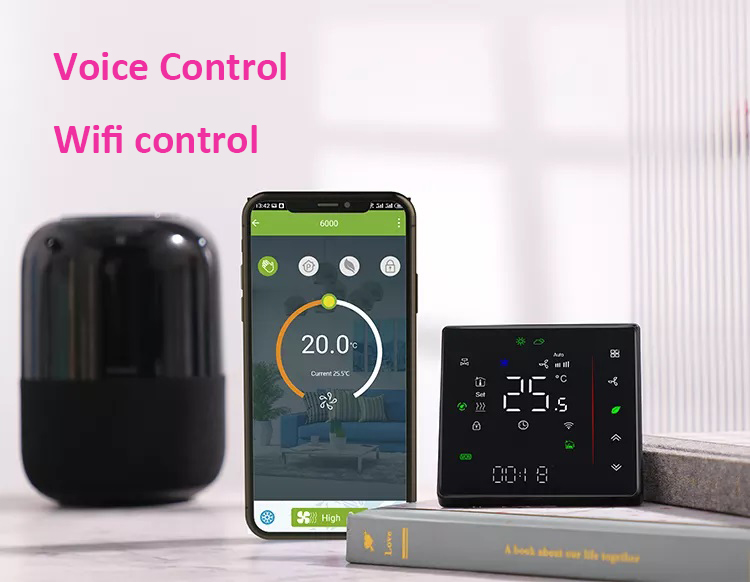
For more information on how smart climate control systems work, check out this guide on home automation.
Conclusion
While ducted air conditioning remains a popular cooling solution, its single-zone operation presents challenges in terms of comfort and energy efficiency. Zoning solves these issues by allowing users to customize temperature settings for different rooms, leading to enhanced comfort, significant cost savings, and a more energy-efficient home or workspace.
For homeowners and businesses looking to optimize their climate control systems, investing in a zoning solution is a smart choice. With advanced features like smart control and remote access, zoning provides an unparalleled level of convenience and efficiency.
Considering Zoning for Your Property?
If you're interested in upgrading your ducted air conditioning system with zoning, consult with an expert today to explore the best options for your home or office.
For more professional insights on HVAC systems and energy-efficient solutions, please contact us for more information!